

Pet Dental Health Awareness Month
February is Dental Health Awareness Month, and it is the perfect reminder that your pet’s oral health is about so much more than just fresh breath. At Belle Isle Animal Hospital, we see every day how dental disease can impact a pet’s comfort, energy, and overall well being. The good news is that with the right home care and regular professional cleanings, most dental problems can be prevented or caught early. This month is a great time to learn what to watch for and how to protect your pet’s smile for the long run.
Then continue with your full blog content as provided, including the anesthesia safety section that already references Belle Isle Animal Hospital.
What is Oral Health for Pets?
Oral health refers to the condition of your pet’s teeth, gums, and mouth. Like humans, pets can suffer from dental disease, which can affect their overall health. In fact, by the age of three, approximately 80% of dogs and 70% of cats have some form of dental disease.
When pets eat, food particles mix with bacteria in the mouth, forming a thin layer of plaque on their teeth. If this plaque isn’t regularly removed, it hardens and turns into tartar, which is more difficult to remove. Tartar can cause gum irritation, known as gingivitis, and over time, lead to serious bone and tissue damage. Tartar buildup can’t be removed by simply brushing your pet’s teeth—it requires professional cleaning using specialized dental tools, like an ultrasonic scaler.
Veterinarians measure the level of build up on a scale of 1 to 4:
- Mild plaque build up and mild gingivitis. A professional cleaning may be recommended.
- Moderate plaque build up affecting the roots, mild bone loss, and gingivitis with mild gingival recession. A professional dental cleaning will definitely be recommended at this level.
- Severe plaque build up, serious bone loss and gingival recession. Professional cleaning is needed and will likely be very involved. Extractions are likely needed to restore dental health.
- Severe buildup, bone loss, and gingival recession. Professional cleaning is needed and many teeth will likely need to be extracted. Some damage may be irreversible.
Some breeds are more prone to dental disease than others so if you have a small breed like a Yorkie, a Frenchie, a Pug, etc., it’s important to pay special attention to their dental health early on in their life.
Why is Oral Health Important?
Oral health plays a significant role in your pet’s overall well-being. Neglecting dental care can lead to periodontal disease, a painful condition that affects the roots and gums of the teeth. The discomfort from periodontal disease can reduce your pet’s appetite, lead to lethargy, and lower their quality of life.
But that’s not all—oral infections don’t just stay in the mouth. If untreated, bacteria can enter the bloodstream, potentially causing serious complications with organs like the heart, liver, and kidneys.
Signs of Periodontal Disease to Watch For:
- Bad breath
- Pawing or rubbing at the mouth
- Red or swollen gums
- Drooling
- Brown or yellow tartar on teeth
- Difficulty eating or chewing
Other complicated issues to watch for include fractured teeth (that can expose the sensitive inner pulp), feline resorptive lesions (painful ulcers on the gum line), or retained baby teeth.
How to Prevent Dental Disease:
Daily Tooth Brushing:
The number one thing you can do for your pet’s dental health is to brush their teeth daily. This helps prevent plaque buildup before it can harden into tartar.
Use a pet-specific toothpaste (human toothpaste can be unsafe!)—it’s flavored to make the experience more pleasant for your pet, and it’s safe to swallow.
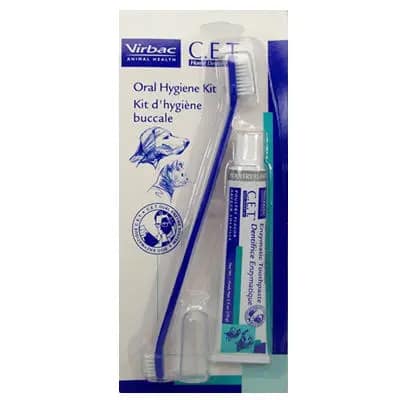
Getting your pet used to brushing may take some time, so be patient! Start by using a small amount of toothpaste on your finger to let them get used to the taste. Gradually introduce a finger brush or pet toothbrush.
Treat it as a fun training session and use positive reinforcement to build a routine your pet will enjoy.
Check out this easy starter kit:
Dental Chews:
In addition to brushing, dental chews can help reduce plaque buildup.
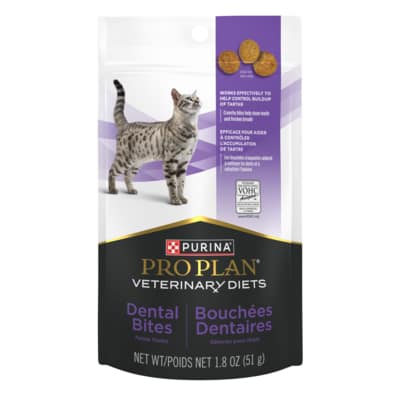
Look for products that are approved by the Veterinary Oral Health Council (VOHC) for maximum effectiveness.
Check out these brands we love:


Professional Cleanings:
Just like humans, pets will still need professional cleanings even with the best home care. Your vet can assess your pet’s dental health, and if necessary, perform a thorough cleaning under anesthesia.
What Happens During a Professional Dental Cleaning?
A professional cleaning is much like a human dental cleaning, but with some additional steps to keep your pet safe and comfortable:
Ultrasonic Scaling: The veterinarian uses specialized tools, like an ultrasonic scaler, to carefully remove tartar from the teeth—especially beneath the gum line, where plaque can hide.
Polishing: Once the tartar is removed, the teeth are polished with a special paste to smooth the enamel, which helps prevent future plaque buildup.
Dental X-rays: Just because a tooth looks healthy from the surface doesn’t mean it is! X-rays are essential to check for any underlying problems, like decaying roots or hidden infections.
Gum Line Evaluation: The vet will also probe the gum line for signs of recession, pocketing around the roots, or other related issues.
Extractions if Needed: In cases of severe dental disease, some teeth may need to be extracted. While this may sound scary, removing a diseased tooth often provides immediate relief and prevents further pain or complications.
Why Does a Dental Procedure Require Anesthesia?
During a professional cleaning, your pet needs to stay still for an extended period while their mouth is thoroughly examined and cleaned. Since we can’t ask your pet to keep their mouth open like humans do, general anesthesia is necessary.
While any anesthesia carries some risk, we take every precaution at Belle Isle Animal Hospital to ensure the procedure is as safe as possible:
Before anesthesia, we perform bloodwork to check for any underlying health issues and to ensure the liver and kidneys are healthy enough to process the anesthesia normally.
We also listen to the heart and lungs to make sure there are no concerns that would indicate anesthesia is unsafe.
We also place an IV catheter before anesthesia. This allows us to keep your pet hydrated with IV fluids during the procedure. Makes it easier to maintain normal blood pressures. And gives us direct access to the vein for quick life-saving medication if anything were to start to go wrong.
During the procedure, our experienced team is there every step of the way to ensure your pet’s safety and comfort. We have TWO assistants AND the veterinarian monitoring vitals and maintaining safe anesthesia doses throughout the procedure.
The benefits and increased quality of life received from a professional dental cleaning far outweighs the minimal risk associated with anesthesia.
The Benefits of Dental Health Care:
Keeping your pet’s teeth healthy doesn’t just lead to fresh breath—it’s essential for their overall health. By preventing and treating dental disease, you can improve their quality of life, reduce pain and discomfort, and even avoid life-threatening complications like heart and kidney disease.
Remember, dental health is an ongoing effort! Regular brushing, dental chews, and professional cleanings will help keep your pet’s smile sparkling and their body healthy.
If you haven’t already, schedule a dental check-up for your pet during Dental Health Awareness Month. Their smile (and their health) will thank you!
Taking care of your pet’s teeth is an investment in their long term health and comfort. Preventing dental disease helps reduce pain, avoid serious infections, and can even protect important organs like the heart and kidneys. A healthy mouth truly supports a healthier, happier life.
If you have not had your pet’s teeth checked recently, now is a great time to schedule a dental exam. Contact us at Belle Isle Animal Hospital, where your pet’s health and comfort are always our top priority.